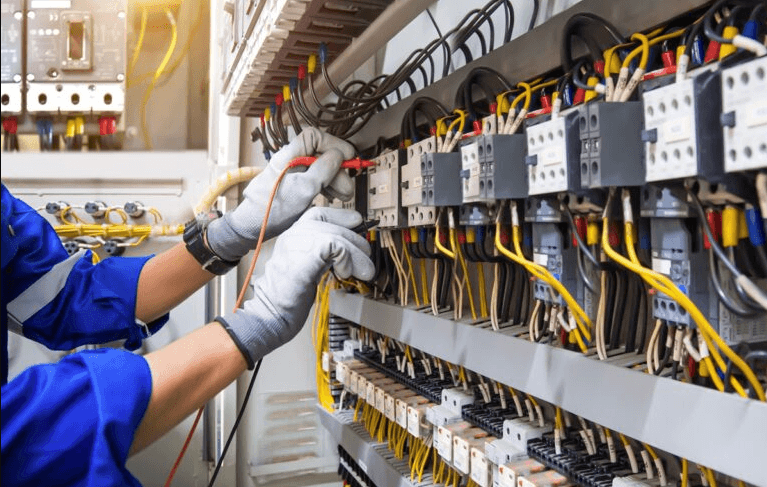
Industrial facilities are inherently complex environments with heavy machinery, high-voltage systems, hazardous materials, and intricate production processes. Ensuring the safety of employees and maintaining regulatory compliance are critical priorities for manufacturers, energy plants, and other industrial operations. One of the most effective solutions to address these challenges is electrical automation. By integrating automated electrical systems, sensors, and intelligent controls, industrial facilities can minimize risk, ensure regulatory adherence, and improve overall operational safety.
Reducing Human Error
One of the primary ways electrical automation enhances safety is by reducing human error. Manual operation of high-risk equipment can lead to accidents, injuries, and costly downtime. Automated systems execute tasks according to pre-programmed instructions, ensuring consistency and precision in operations such as machinery startup, process control, and material handling.
By automating repetitive or hazardous tasks, electrical automation reduces the likelihood of mistakes caused by fatigue, distraction, or lack of expertise. Fewer errors mean fewer incidents, safer work environments, and improved compliance with safety protocols and industry standards.
Real-Time Monitoring and Alerts
Modern electrical automation systems include real-time monitoring and alert capabilities, which are crucial for maintaining safety in industrial facilities. Sensors track critical parameters such as temperature, pressure, voltage, and machine performance. When anomalies or unsafe conditions are detected, the system can trigger alarms, shut down equipment, or notify operators immediately.
This proactive monitoring allows facilities to respond to potential hazards before they escalate into serious incidents. Early detection and rapid response not only protect employees but also prevent damage to equipment and materials, maintaining compliance with safety regulations.
Safe Handling of Hazardous Processes
Industrial facilities often involve processes that are inherently dangerous, including chemical mixing, high-voltage operations, and heavy mechanical tasks. Electrical automation can safely manage these processes by controlling equipment remotely, precisely regulating operations, and maintaining consistent environmental conditions.
By automating high-risk tasks, facilities minimize direct human exposure to hazardous materials and machinery. This approach reduces the risk of accidents and ensures compliance with occupational health and safety standards, including OSHA regulations and industry-specific safety requirements.
Ensuring Regulatory Compliance
Compliance with local, national, and international regulations is a key concern for industrial facilities. Non-compliance can result in fines, legal liabilities, and reputational damage. Electrical automation helps maintain compliance by providing accurate record-keeping, automated reporting, and controlled operational parameters.
Automated systems can log all critical activities, including machine operation, energy usage, and safety incidents. These records facilitate audits, ensure adherence to environmental and safety standards, and demonstrate that the facility meets regulatory requirements. By integrating compliance checks into the automated workflow, facilities can reduce manual paperwork and minimize the risk of errors in reporting.
See also: VR in Business and Marketing
Enhancing Emergency Response
Electrical automation also plays a crucial role in emergency response. Automated systems can detect dangerous situations such as equipment overheating, chemical leaks, or electrical faults, and take immediate corrective action.
For example, in case of an electrical overload, a system can automatically shut down affected circuits to prevent fires or equipment damage. Similarly, automated fire suppression or ventilation systems can be triggered without requiring manual intervention. By responding faster than human operators, electrical automation mitigates hazards and reduces potential harm to personnel and property.
Training and Operational Consistency
Consistent operation of machinery is vital for both safety and regulatory compliance. Electrical automation ensures that processes are executed consistently according to pre-defined standards, reducing variability that can lead to unsafe conditions.
Additionally, automated systems reduce the dependency on operator skill level, minimizing mistakes caused by inadequate training or fatigue. This consistency ensures that safety protocols are always followed, contributing to a safer workplace and better compliance with regulatory frameworks.
Predictive Maintenance and Equipment Safety
Maintenance plays a critical role in industrial safety, and electrical automation supports predictive maintenance strategies. Automated monitoring systems track equipment health and detect early signs of wear, vibration anomalies, or overheating.
By addressing maintenance issues proactively, facilities reduce the likelihood of equipment failure that could lead to accidents or downtime. Predictive maintenance enabled by electrical automation also ensures that machinery operates within safe limits, maintaining compliance with safety standards and prolonging equipment lifespan.
Reducing Downtime While Maintaining Safety
Electrical automation not only enhances safety but also ensures operational efficiency. By automating hazardous tasks, monitoring systems, and predictive maintenance, facilities can maintain continuous operations without compromising safety.
This balance between productivity and safety ensures that industrial facilities can meet production goals while adhering to strict compliance requirements. Electrical automation allows businesses to optimize performance without exposing employees to unnecessary risk.
Conclusion
In conclusion, electrical automation is a vital tool for enhancing safety and compliance in industrial facilities. By reducing human error, enabling real-time monitoring, and safely managing hazardous processes, automation minimizes workplace risks. It also supports regulatory compliance through accurate record-keeping, emergency response automation, and predictive maintenance, ensuring that operations meet safety and environmental standards.
By integrating electrical automation into industrial processes, facilities can protect employees, prevent equipment failures, and maintain continuous operations. The combination of improved safety, operational reliability, and compliance makes electrical automation an essential investment for modern industrial facilities seeking sustainable and efficient operations.