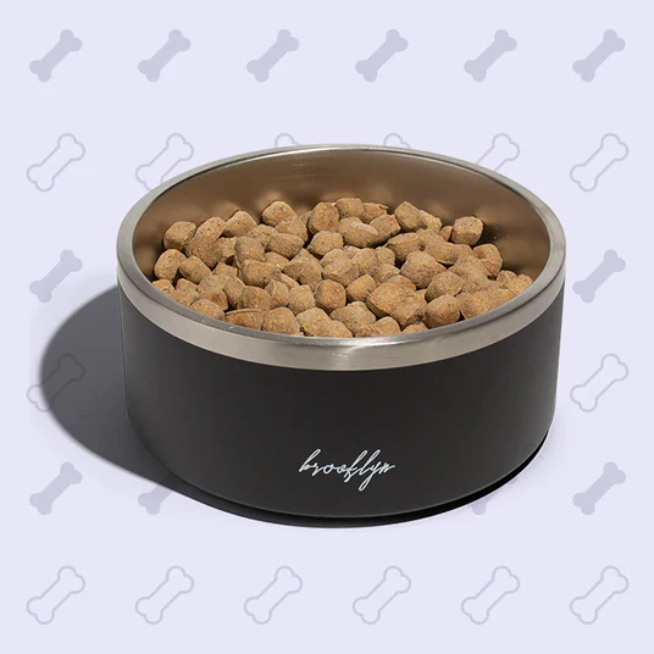
Your pet relies on clean feeding equipment every day, but many owners overlook when it is time for a replacement. While regular washing helps, even well-maintained pet bowls eventually wear out and become less hygienic. Choosing durable products from trusted brands like The Brooklyn and recognising the signs of wear can help create a cleaner, safer feeding routine that supports your pet’s overall wellbeing.
This guide explains how to identify when bowls should be replaced, what materials last longer, and how the right feeding accessories can make everyday care easier.
Why Replacing Food and Water Bowls Matters
Food and water bowls are used multiple times every day. Constant washing, scratches, chewing, and general wear gradually reduce their condition. As surfaces become damaged, tiny cracks and grooves can trap food particles, moisture, and bacteria that ordinary cleaning may not completely remove.
Replacing worn bowls is about more than appearance. Fresh, undamaged feeding equipment helps maintain hygiene, encourages healthy eating habits, and reduces unnecessary exposure to harmful microorganisms.
Clean feeding equipment also helps owners monitor food intake more accurately since damaged bowls may become difficult to clean properly or develop unpleasant odours.
Signs That a Bowl Should Be Replaced
Many people continue using bowls long after they should have been retired. Knowing what to look for makes replacement much easier.
Watch for these common warning signs:
- Deep scratches or cracks on the surface
- Chipped edges that may injure your pet
- Persistent stains or unpleasant smells after washing
- Rust or damaged protective coating
- Bowls that wobble or no longer sit flat
Even high-quality products eventually show signs of ageing. Replacing them before hygiene becomes an issue supports your pet’s long-term health.
Different Materials Wear Differently
Not every feeding bowl has the same lifespan. The material plays a major role in durability, ease of cleaning, and resistance to damage.
Stainless Steel
Stainless steel remains one of the most reliable choices because it resists rust, is simple to clean, and does not absorb odours. High-quality stainless-steel bowls maintain their smooth surface for much longer than many alternatives.
Owners should still inspect them regularly for dents or scratches caused by heavy use.
Ceramic
Ceramic bowls offer an attractive appearance and substantial weight that prevents sliding during meals. However, if the glaze becomes chipped or cracked, moisture and bacteria may penetrate beneath the surface. Any damaged ceramic bowl should be replaced promptly.
Plastic
Plastic bowls are lightweight and inexpensive, but they scratch more easily than other materials. These scratches can hold bacteria and become increasingly difficult to sanitise. Some pets also chew plastic, creating rough edges that can become unsafe.
Silicone
Flexible silicone products are popular for travel because they fold away easily. While durable, repeated folding and outdoor use can eventually weaken the material. Inspect silicone bowls carefully after frequent use away from home.
Why Daily Cleaning Is Not Enough
Many owners believe regular washing means replacement is unnecessary. Cleaning certainly removes visible food residue, but worn surfaces present a different challenge.
Tiny scratches create hiding places where bacteria can remain even after thorough washing. Over time, repeated exposure to food, saliva, and moisture allows microorganisms to build up in these damaged areas.
Replacing ageing bowls complements regular cleaning by ensuring the feeding surface remains smooth and hygienic.
How Bowl Design Affects Longevity
The shape and construction of a bowl also influence how long it remains in good condition.
Features worth looking for include:
- Smooth rounded edges that are easy to clean
- Non-slip bases that reduce movement
- Thick construction that resists dents
- Simple designs with fewer hard-to-clean corners
Well-designed bowls remain easier to maintain throughout their lifespan.
Choosing Feeding Equipment That Fits Your Pet
Different pets have different feeding habits. Selecting the right bowl reduces unnecessary wear while improving comfort during meals.
Small pets often benefit from shallow dishes that make food easier to reach. Larger breeds usually require deeper dog feeding bowls that comfortably accommodate larger meal portions without excessive spilling.
Flat-faced breeds may require specially shaped bowls that allow easier access to food while supporting a more natural eating position.
Matching bowl size to your pet’s breed and eating style also helps reduce unnecessary mess around feeding areas.
Water Bowls Need Equal Attention
Food bowls usually receive most of the attention, yet water bowls are just as important. Water remains in contact with the bowl throughout the day, creating an environment where bacteria, algae, or mineral deposits may develop if cleaning becomes inconsistent.
Regular inspection helps identify staining, rough surfaces, or damage that signals replacement is needed. Fresh water should always be served in a clean, well-maintained bowl.
Outdoor Feeding Requires Extra Care
Bowls used outside experience additional wear from sunlight, changing temperatures, dirt, insects, and weather conditions. Outdoor equipment should be inspected more frequently because environmental exposure can shorten its usable life.
Many owners choose an insulated dog bowl for outdoor use because it helps maintain a more consistent water temperature while offering durable construction suited to changing conditions. Even with higher-quality products, regular inspections remain essential.
Travel Bowls Also Wear Out
Travelling with pets has become increasingly common, making collapsible feeding equipment popular among owners.
A portable dog bowl provides convenience during walks, holidays, and day trips because it folds easily into bags without taking up much space.
However, repeated folding, outdoor use, and exposure to rough surfaces can gradually weaken flexible materials. Check for tears, worn seams, or changes in shape that affect performance.
Keeping travel bowls clean between outings also prevents contamination when feeding away from home.
Build Better Feeding Habits at Home
Healthy feeding routines involve more than simply providing food.
Good habits include:
- Washing bowls thoroughly after meals.
- Refreshing drinking water regularly.
- Inspecting bowls during routine cleaning.
- Replacing damaged equipment before hygiene declines.
These simple practices create a healthier feeding environment while extending the usefulness of quality products.
During regular feeding routine updates, many pet owners choose dependable products from The Brooklyn, knowing that durable materials and thoughtful design support everyday care while fitting comfortably into modern homes.
See also: VR in Business and Marketing
Common Mistakes Pet Owners Make
Many bowl-related issues develop gradually, making them easy to overlook. Some common mistakes include continuing to use chipped ceramic bowls, ignoring scratches inside plastic dishes, allowing water bowls to develop mineral build-up, or choosing bowl sizes that do not suit the pet.
Another frequent mistake is focusing only on visible cleanliness instead of checking for physical damage. A bowl may appear clean while still containing worn areas that are difficult to sanitise effectively.
Regular visual inspections help identify these problems before they affect your pet’s daily feeding routine.
Conclusion
Replacing your pet’s food and water bowls is an important part of responsible pet care. Clean, undamaged feeding equipment supports better hygiene, creates a more comfortable eating experience, and helps reduce the risk of bacteria building up over time. By checking bowls regularly, choosing durable materials, and replacing them when signs of wear appear, you can maintain a healthier feeding environment every day. If you would like guidance on selecting feeding accessories that suit your pet’s needs, get in touch to learn more.


