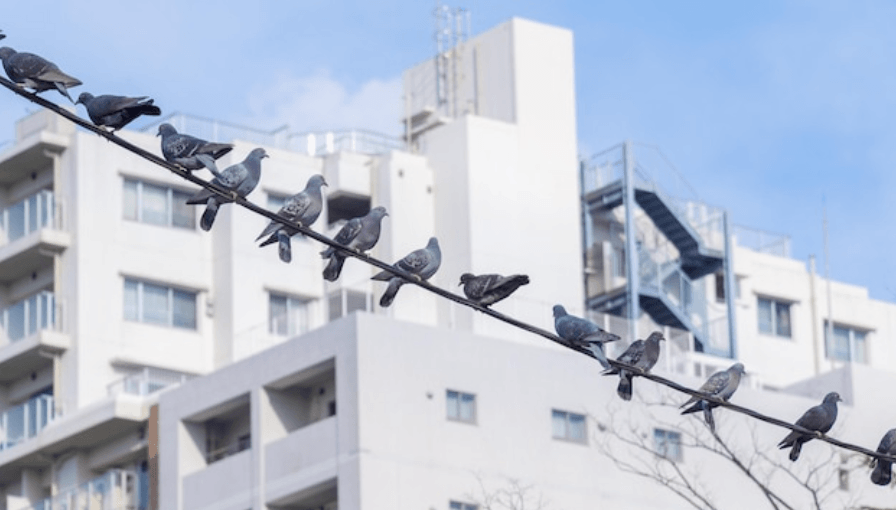
As cities continue to expand and green spaces blend with residential and commercial areas, encounters with birds have become more common than ever. While birds play an important role in the environment, large flocks gathering around buildings can create challenges that affect health, safety, and property maintenance. This growing concern has increased awareness of bird pest control services as an effective way to manage bird-related issues without harming local wildlife. Understanding why birds are attracted to certain spaces and how to prevent recurring problems can help property owners maintain cleaner, safer, and more comfortable environments.
Why Bird Activity Is Increasing in Urban Areas
Modern urban landscapes provide birds with everything they need to thrive. Buildings offer sheltered nesting spots, public spaces often contain easily accessible food sources, and water features create attractive habitats throughout the year.
As natural environments continue to change, many bird species have adapted remarkably well to city life. Rooftops, balconies, warehouses, shopping centers, and industrial buildings have become ideal substitutes for natural nesting locations.
This shift means that bird activity is no longer limited to parks or open spaces. Residential neighborhoods, office complexes, educational facilities, and hospitality venues all experience similar challenges.
Common Problems Caused by Uncontrolled Bird Populations
Although birds are a valuable part of nature, uncontrolled populations can create practical concerns when they settle too close to people.
Some of the most common issues include:
- Bird droppings can stain building surfaces and contribute to long-term structural deterioration.
- Nesting materials may block gutters, drains, and ventilation systems, affecting normal building function.
- Accumulated feathers and debris can reduce cleanliness and create additional maintenance requirements.
- Birds gathering near entrances or outdoor dining spaces may discourage visitors and customers.
- Certain bird species can become territorial during nesting periods, creating uncomfortable interactions with people.
These problems often become more noticeable when preventive measures are delayed or ignored.
Understanding What Attracts Birds to Buildings
Birds rarely choose a location by chance. They are naturally drawn to places that provide food, shelter, warmth, and protection from predators.
Some of the most attractive features include:
- Open waste containers with food scraps.
- Roof cavities that offer protected nesting areas.
- Solar panels that create sheltered spaces underneath.
- Ledges and signs suitable for resting.
- Standing water from blocked drainage systems.
- Outdoor eating areas with leftover food.
Reducing these attractions is one of the most effective ways to minimize recurring bird activity.
Prevention Always Works Better Than Constant Cleanup
Many property owners focus on cleaning visible bird messes while overlooking the reasons birds continue returning. Effective prevention addresses the root causes rather than treating the symptoms repeatedly.
A proactive strategy often includes regular property inspections, improved waste management, maintenance of roof structures, and installation of appropriate bird deterrent systems where needed.
When preventive practices become part of routine property maintenance, buildings remain cleaner while reducing the likelihood of future nesting.
Modern Bird Management Focuses on Humane Solutions
Today’s pest management industry increasingly emphasizes humane, environmentally responsible methods. The goal is to discourage birds from settling permanently without causing unnecessary harm.
Common approaches include carefully designed physical barriers, visual deterrents, exclusion systems, and habitat modification that encourages birds to relocate naturally.
Professional providers also consider local wildlife regulations before recommending suitable solutions, ensuring that management practices remain responsible and compliant.
Why Professional Expertise Makes a Difference
Every property presents unique challenges depending on its design, surrounding environment, and the bird species involved.
Professionals begin by identifying why birds are attracted to the location before recommending practical long-term solutions. Rather than relying on temporary fixes, experienced specialists develop strategies that suit the property’s layout and level of bird activity.
Jim’s Pest Control understands that successful bird management combines inspection, prevention, maintenance, and ongoing monitoring to deliver lasting results while respecting local wildlife.
Technology Is Changing the Future of Bird Management
Advances in technology are helping property owners manage bird activity more efficiently than ever before.
Several modern innovations are becoming increasingly popular:
- Motion-activated systems help discourage birds from settling in sensitive areas.
- Building inspections supported by aerial imaging improve access to difficult roof sections.
- Smart monitoring systems identify recurring activity patterns for better planning.
- Improved exclusion materials blend with building design while maintaining effectiveness.
- Sustainable management practices reduce environmental impact without compromising results.
These developments allow property owners to address bird activity with greater precision and minimal disruption.
The Importance of Routine Property Maintenance
Consistent maintenance plays a major role in preventing bird problems from becoming established.
Property owners should regularly inspect roofs, gutters, ventilation openings, signage, and outdoor structures for signs of nesting activity or accumulated debris.
Early detection allows minor concerns to be addressed before they develop into larger maintenance issues. Even simple improvements, such as repairing damaged roof sections or securing waste storage areas, can significantly reduce bird attraction.
Routine maintenance also helps preserve the appearance and longevity of buildings while supporting a healthier environment for occupants.
Environmental Responsibility and Wildlife Awareness
Responsible bird management is about creating balance rather than eliminating wildlife.
Birds contribute to ecosystems by dispersing seeds, controlling insects, and supporting biodiversity. Effective management focuses on preventing conflicts between birds and human-built environments while allowing wildlife to continue thriving in more suitable habitats.
Property owners who choose environmentally conscious solutions help protect local ecosystems while maintaining clean and functional buildings.
This balanced approach benefits communities, businesses, and wildlife alike.
Choosing the Right Bird Management Strategy
Selecting the most appropriate approach depends on several important factors.
Consider the following when planning a bird management program:
- Identify the bird species involved before selecting any control method.
- Evaluate the property’s structural features that encourage nesting.
- Prioritize prevention over repeated cleanup efforts.
- Choose humane and environmentally responsible solutions.
- Schedule regular inspections to identify new activity early.
- Maintain waste management practices that reduce food availability.
A thoughtful strategy provides better long-term results than reacting only after problems become visible.
See also: Smart Ways to Protect Homes From Growing Urban Bird Problems
The Growing Importance of Sustainable Property Protection
Sustainability is becoming a central consideration in every aspect of property management, including bird control.
Building owners increasingly seek solutions that preserve aesthetics, minimize environmental impact, and reduce ongoing maintenance demands. Well-planned bird management supports these goals by preventing unnecessary property damage while encouraging responsible coexistence with local wildlife.
As urban development continues to reshape natural habitats, sustainable planning will become even more valuable for residential, commercial, and public properties alike.
Conclusion
Urban bird activity is becoming a more visible challenge as cities continue to evolve, but it does not have to become a long-term problem. By understanding why birds choose certain locations, improving routine maintenance, and adopting humane prevention strategies, property owners can create cleaner, safer, and more welcoming spaces for everyone. A proactive approach protects buildings, supports environmental responsibility, and reduces future maintenance concerns without disrupting local ecosystems. When professional guidance is needed, taking the next step is simple. Book Your Appointment Online and begin building a smarter, more sustainable strategy for protecting your property.


